
Improving the air quality inside your home is essential for creating a comfortable and healthy living environment. Poor indoor air can lead to allergies, respiratory issues, and general discomfort. Fortunately, there are several simple techniques you can use to enhance indoor air quality without expensive equipment or major renovations. This article will guide you through practical steps to breathe cleaner and fresher air indoors.
Understand the Importance of Indoor Air Quality
Indoor air can sometimes be more polluted than outdoor air due to pollutants such as dust, pet dander, mold spores, and volatile organic compounds (VOCs) from household products. Since we spend a significant amount of time indoors, especially at home, maintaining good air quality is critical for overall well-being.
Key Factors Affecting Indoor Air Quality
Before exploring improvement techniques, it helps to know what impacts indoor air quality. Common sources of indoor air pollution include:
– Dust and allergens
– Tobacco smoke
– Cooking and heating appliances
– Mold and mildew
– Household cleaning products and chemicals
– Pet dander and hair
– Poor ventilation
Simple Techniques to Enhance Indoor Air Quality
1. Increase Ventilation
Allowing fresh outdoor air to circulate in your home helps reduce indoor pollutants. Here’s how to do it effectively:
– Open windows and doors regularly when weather permits.
– Use exhaust fans in kitchens and bathrooms to remove moisture and odors.
– Consider installing trickle vents or air bricks if your home is tightly sealed.
Good ventilation reduces moisture buildup that can lead to mold and helps flush out contaminants.
2. Use Air Purifiers
Air purifiers equipped with HEPA filters can capture fine particles such as dust, pollen, and pet dander. When choosing an air purifier:
– Check the room size coverage.
– Opt for those with true HEPA filters for best results.
– Consider models that include activated carbon filters to reduce odors and VOCs.
Place air purifiers in high-use areas like bedrooms and living rooms for maximum benefit.
3. Keep Your Home Clean
Regular cleaning can significantly lower dust, allergens, and microbial buildup:
– Vacuum frequently using a vacuum with a HEPA filter.
– Dust surfaces with a damp cloth to trap particles rather than spreading them around.
– Wash bedding weekly in hot water to remove dust mites.
– Avoid using harsh chemical cleaners; opt for natural or mild alternatives instead.
4. Control Humidity Levels
Maintaining indoor humidity between 30-50% prevents mold growth and reduces dust mites:
– Use a dehumidifier in damp areas such as basements.
– Fix any leaks or water damage promptly.
– Vent dryers and appliances to the outdoors.
– Use moisture-absorbing products when needed.
Proper humidity control keeps the air comfortable and less hospitable to allergens.
5. Choose Low-Emission Products
Many everyday products release volatile organic compounds (VOCs) that affect air quality:
– Select paints, adhesives, and furniture labeled “low VOC” or “no VOC.”
– Be cautious when using air fresheners, scented candles, or cleaning sprays.
Allow new furniture or carpets to off-gas outdoors or in well-ventilated spaces before using indoors.
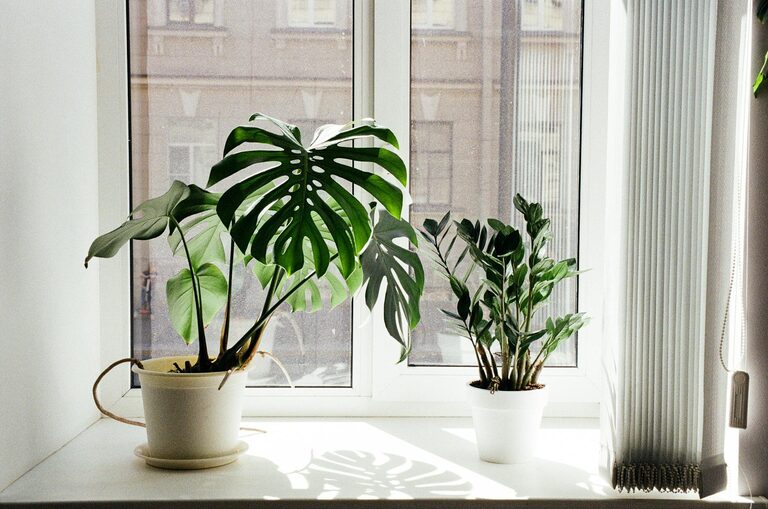
6. Introduce Indoor Plants
Certain houseplants can help improve air quality by absorbing pollutants:
– Examples include spider plants, snake plants, and peace lilies.
– Keep plants healthy and avoid overwatering to prevent mold growth in soil.
While not a standalone solution, indoor plants add a natural touch and promote cleaner air.
Monitor and Maintain
To keep your indoor air quality optimal:
– Consider using indoor air quality monitors to track levels of VOCs, humidity, and particulate matter.
– Change HVAC filters regularly, following manufacturer guidelines.
– Schedule routine maintenance for heating and cooling systems.
Summary
Improving indoor air quality doesn’t have to be complicated or costly. By increasing ventilation, using air purifiers, maintaining cleanliness, controlling humidity, choosing safer products, and adding indoor plants, you can create a fresher and healthier home environment. Regular monitoring and upkeep will help sustain these improvements over time. Taking these simple steps benefits not only your health but also enhances overall comfort and well-being for you and your family.