Creating a home office that feels both cozy and functional can significantly improve your productivity and overall work experience. Whether you have a dedicated room or a small corner of your living space, thoughtful design and organization can turn any area into an inspiring workplace. Here are practical tips to help you design a home office that suits your needs and makes working from home enjoyable.
Choose the Right Location
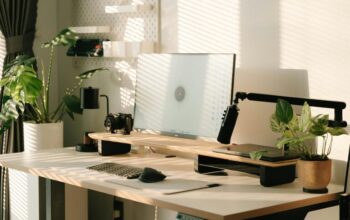
The first step in designing a home office is selecting the right spot. Ideally, pick a space away from heavy foot traffic and noise to minimize distractions. If possible, choose a room with ample natural light, as sunlight can boost your mood and increase focus.
If space is limited, consider creative options like a nook under the stairs, a quiet corner in the bedroom, or even a section of your dining area. Using room dividers or curtains can help define the area and provide a sense of separation from the rest of your home.
Invest in Comfortable and Supportive Furniture
Comfort is key when spending extended hours at your desk. An ergonomic chair that supports your back and promotes good posture is a worthwhile investment. Look for adjustable features, such as seat height, lumbar support, and armrests.
Your desk should offer enough surface area for your computer, documents, and any other essential items without feeling cramped. Consider your work style when choosing the desk—whether you prefer a standing desk, a compact writing table, or a large workstation.
Optimize Lighting for Productivity
Good lighting affects both comfort and efficiency. Position your desk near a window to take advantage of daylight, but avoid direct glare on your screen.
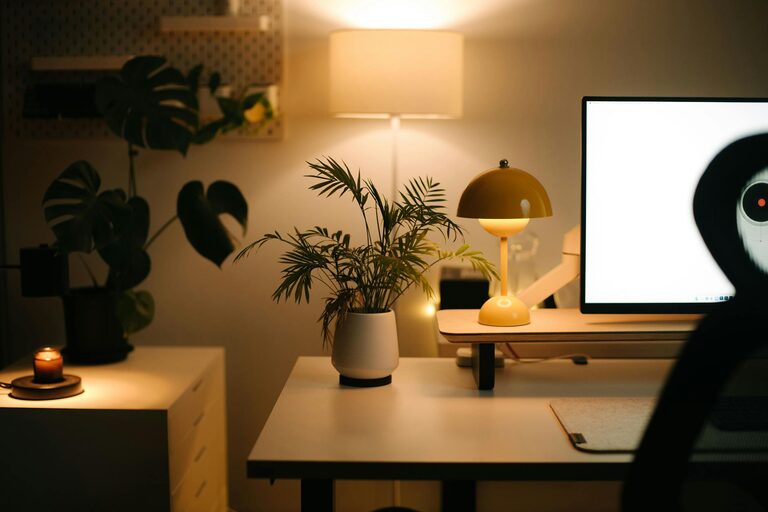
Complement natural light with layered artificial lighting. Use a combination of overhead lights, task lamps, and ambient lighting to ensure your workspace is bright without being harsh. Adjustable desk lamps allow you to control the light intensity where you need it most.
Personalize Your Space for Inspiration
Adding personal touches can make your home office inviting and motivating. Incorporate colors that energize or calm you, depending on your preferences. Soft blues and greens can create a tranquil environment, while warmer tones like orange or yellow encourage creativity.
Decorate with artwork, plants, or meaningful objects that inspire you. Indoor plants improve air quality and add a refreshing natural element. Just be sure to choose low-maintenance varieties if you’re new to plant care.
Organize Efficiently to Reduce Clutter
A clutter-free workspace helps maintain focus and reduces stress. Use storage solutions like shelves, filing cabinets, or drawer organizers to keep papers and supplies tidy.
Cable management is another important aspect. Use clips or cable boxes to avoid tangled cords and maintain a clean desk surface.
Consider labeling storage containers for easy access and to keep everything orderly. Regularly declutter to ensure that only necessary items stay within your workspace.
Incorporate Technology Thoughtfully
Equip your home office with technology that supports your workflow. Ensure you have a reliable internet connection, a comfortable keyboard and mouse, and any other devices that enhance your productivity.
Use wireless accessories when possible to reduce cable clutter. Additionally, invest in accessories like a monitor stand to improve screen height and reduce neck strain.
Create Zones for Different Activities
If your workspace allows, create separate zones for different tasks. For example, have a primary desk area for computer work and another spot for brainstorming or reviewing documents.
You might include a comfortable chair or small sofa for reading or taking breaks. This separation can help mentally switch between work modes and make your environment more dynamic.
Maintain a Comfortable Climate
Temperature and airflow affect concentration and comfort. Keep your workspace well-ventilated and maintain a comfortable temperature.
If your office tends to get cold, a small space heater or cozy throw blanket can make a big difference. Conversely, a fan or portable air conditioner may be useful during warmer months.
Set Boundaries to Foster Work-Life Balance
Especially when working from home, it’s essential to set boundaries. Keep your office space dedicated to work purposes and avoid turning it into a relaxation zone.
Establish start and end times to your workday and communicate these to family members or roommates. Having a clear boundary helps separate work life from personal time.
Final Thoughts
Designing a cozy and functional home office is about balancing comfort, organization, and inspiration. With thoughtful choices in location, furniture, lighting, and personalization, you can create a workspace that motivates you, reduces stress, and boosts productivity. Start small by implementing a few of these tips, and tailor your space as your work habits evolve. A well-designed home office can transform your daily routine and make working from home a more enjoyable experience.