
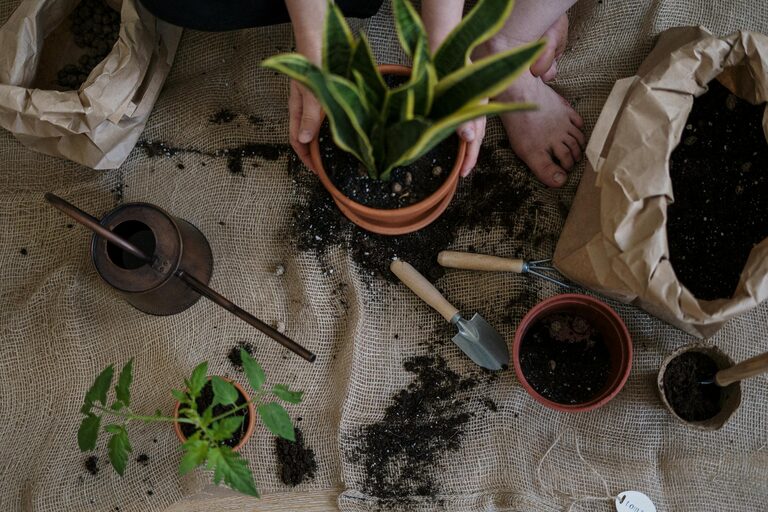
Starting a small home garden is a rewarding and enjoyable way to connect with nature, grow your own fresh produce, and add beauty to your living space. Whether you have a backyard, balcony, or just a sunny windowsill, gardening can fit into almost any lifestyle. If you’re new to gardening, it might seem overwhelming at first, but with the right guidance, you’ll find it’s both fun and manageable. This guide offers helpful tips to get your small home garden off to a great start.
Choose the Right Location
The location of your garden is one of the most important factors for success.
– Sunlight: Most vegetables and flowers need at least 6 hours of direct sunlight daily. Observe your space throughout the day to find spots that get enough sun.
– Accessibility: Make sure your garden is easy to reach for watering, weeding, and harvesting.
– Protection: Avoid areas exposed to strong winds or heavy foot traffic. If space is limited, consider a small raised bed or container garden near your home.
Start Small and Simple
As a beginner, it’s easy to get excited and plant too many things at once. Starting small will help you learn and avoid feeling overwhelmed.
– Pick a few easy-to-grow plants: Herbs like basil, mint, and parsley, or vegetables like lettuce, radishes, and cherry tomatoes are excellent choices for beginners.
– Use containers or small raised beds: Containers are portable and manageable, great for patios or balconies.
– Focus on quality over quantity: It’s better to nurture a few plants well than to struggle with many.
Prepare Your Soil or Growing Medium
Healthy plants need good soil to thrive.
– For outdoor gardens: Test your soil if possible and improve it with organic compost or garden soil mix. Good drainage is key.
– For container gardening: Use high-quality potting mix designed for containers. Avoid using garden soil alone as it can compact and drain poorly.
– Add nutrients gradually: Start with adding compost or slow-release organic fertilizer when planting.
Choose Suitable Plants
Picking the right plants will increase your chances of success.
– Consider your climate and season: Research what grows well in your region and at the time of year you plan to plant.
– Start with seeds or seedlings: Seeds are usually more economical but take more time. Seedlings give you a head start.
– Select plants suited to your space and sunlight: Some plants require full sun, while others tolerate shade.
Water Wisely
Watering correctly is vital for healthy plants.
– Water consistently: Many plants prefer evenly moist soil but not soggy.
– Morning watering is best: It reduces evaporation and allows leaves to dry, preventing disease.
– Use a watering can or drip irrigation: These methods deliver water directly to roots and reduce waste.
– Avoid overwatering: Check soil moisture by touching it; if it feels dry an inch or two below the surface, it’s time to water.
Provide Proper Care
Plants need regular attention to thrive.
Weeding
Regularly remove weeds that compete with your plants for nutrients and water. Mulching helps reduce weeds.
Mulching
Apply a layer of organic mulch (like straw, wood chips, or leaves) around your plants to retain soil moisture and suppress weeds.
Pruning and Pinching
– Remove dead or yellowing leaves to keep plants healthy.
– Pinch back herbs and flowers to encourage bushier growth.
Pest Control
– Keep an eye out for common pests such as aphids or slugs.
– Use natural remedies like insecticidal soap or hand-pick pests to keep them under control.
– Avoid harsh chemical pesticides, especially in small home gardens.
Keep a Garden Journal
Documenting your gardening experience can help you learn and improve.
– Note when you plant, water, fertilize, and harvest.
– Record any problems or successes.
– Over time, this will become a valuable reference to plan future gardens.
Enjoy the Process
Gardening is not just about the end results but also the process of nurturing life.
– Celebrate small successes like your first sprouts or harvest.
– Learn from mistakes without frustration.
– Share your gardening experiences with friends or community groups for support and inspiration.
Additional Tips for Beginners
– Consider starting with a gardening kit designed for beginners.
– Use labels to keep track of different plants.
– Invest in basic tools like gloves, trowel, and watering can.
– Watch videos or read beginner-friendly gardening books for more guidance.
—
Starting a small home garden can bring a lot of joy and satisfaction. By choosing the right spot, starting simple, and caring for your plants patiently, you’ll soon find yourself growing healthy plants and enjoying your green space. Remember, every gardener starts somewhere—the key is to take that first step and have fun along the way!