
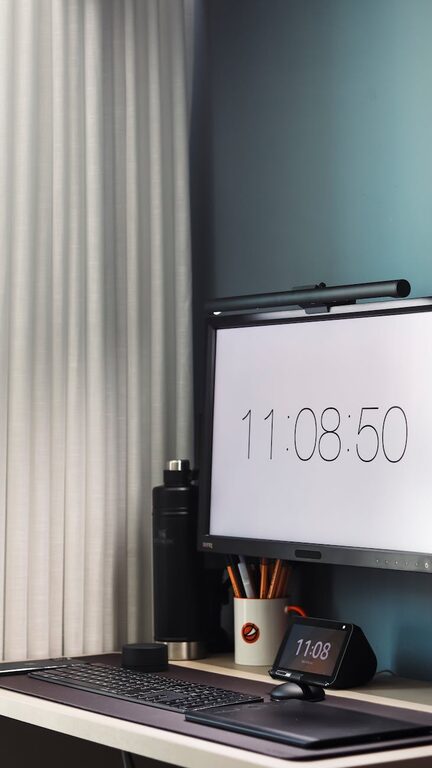
Creating a comfortable and efficient home workspace is essential for maintaining focus and productivity, especially as more people continue to work remotely. A cluttered environment can distract you, reduce motivation, and make it harder to complete tasks effectively. However, organizing your workspace doesn’t have to be overwhelming. With a few thoughtful adjustments and simple habits, you can design a clutter-free area that supports your work and well-being.
Why Organizing Your Workspace Matters
An organized workspace not only looks better but also helps you:
– Find items quickly without frustration
– Minimize distractions and mental clutter
– Maintain a better work-life balance by clearly separating work areas
– Improve your focus and efficiency
– Reduce stress caused by mess and disorder
With these benefits in mind, let’s explore practical ways to set up and maintain a productive home office.
Choose the Right Spot and Furniture
Location Matters
Pick a dedicated area in your home for work that has good natural light and minimal disturbances. Whether it’s a quiet corner in the living room or a spare bedroom, having a designated spot prepares your mind for work.
Invest in Functional Furniture
A comfortable ergonomic chair and a desk at proper height are crucial. Select furniture that fits your space without overcrowding, leaving room to move and store essentials.
Declutter Before Organizing
Before you add new organizers or storage, take time to clear out unnecessary items. Sort through paperwork, office supplies, and gadgets to identify what you really need.
– Recycle or shred outdated documents.
– Donate or recycle unused office supplies and electronics.
– Digitize important papers to reduce physical clutter.
Starting fresh makes it easier to maintain order.
Create Zones for Different Tasks
Designate separate areas or zones for different activities such as:
– Computer Work: Desk and monitor setup.
– Storage: Shelves, filing cabinets, or boxes for documents and supplies.
– Creative Work: Space for sketching or brainstorming.
– Break Area: A small spot for stretching or quick breaks.
Organizing by zones helps you prioritize tasks and keep related items together.
Use Smart Storage Solutions
Desk Organizers and Containers
Use trays, pencil holders, and small containers to keep pens, paper clips, and sticky notes sorted. This prevents small items from scattering.
Vertical Storage
Consider shelves, wall-mounted organizers, or pegboards to free up desk space. Vertical arrangements maximize small rooms without cluttering.
Filing Systems
Invest in a filing cabinet or portable file boxes to store documents in labeled folders. Categorize files by projects, dates, or subjects to find them easily.
Cable Management
Tidy up cables with clips, ties, or sleeves to avoid tangled cords under your desk, which create visual mess and potential tripping hazards.
Maintain Digital Organization
Digital clutter affects productivity as much as physical mess. Keep your computer desktop, email inbox, and project folders well organized.
– Create folders and subfolders with clear names.
– Delete or archive old files regularly.
– Use cloud storage for important documents to access files from anywhere.
– Manage browser bookmarks and tabs efficiently.
Personalize Mindfully
Adding personal touches like photos, plants, or artwork can boost mood and motivation. However, avoid overdecorating, which can lead to distraction or crowding. Choose simple, meaningful items that make your space inviting without clutter.
Develop Cleaning Habits
Maintaining a tidy workspace requires regular care. Set aside a few minutes at the end of each day or week to:
– Put away supplies and documents
– Wipe surfaces and dust electronics
– Empty trash and recycling bins
– Review any items that no longer belong in your workspace
Small daily habits prevent clutter build-up and keep your environment pleasant.
Optimize Lighting and Air Quality
Proper lighting reduces eye strain and keeps you alert. Whenever possible, use natural light supplemented with adjustable desk lamps. Good air quality, through ventilation or a small air purifier, also enhances focus and comfort.
Use Time and Task Management Tools
An organized workspace works best when combined with good time management:
– Use calendars and to-do lists to plan daily tasks.
– Keep these tools visible in your workspace.
– Consider apps or planners to streamline scheduling and reminders.
Planning your workload reduces mental clutter and lets you focus on the task at hand.
Final Thoughts
Creating a clutter-free and productive home workspace is a blend of choosing the right environment, organizing your materials, developing good habits, and adapting your space to your needs. Start with small changes and experiment to find what works best for you. Over time, your organized workspace can become a place where you feel focused, inspired, and ready to tackle your workday efficiently.